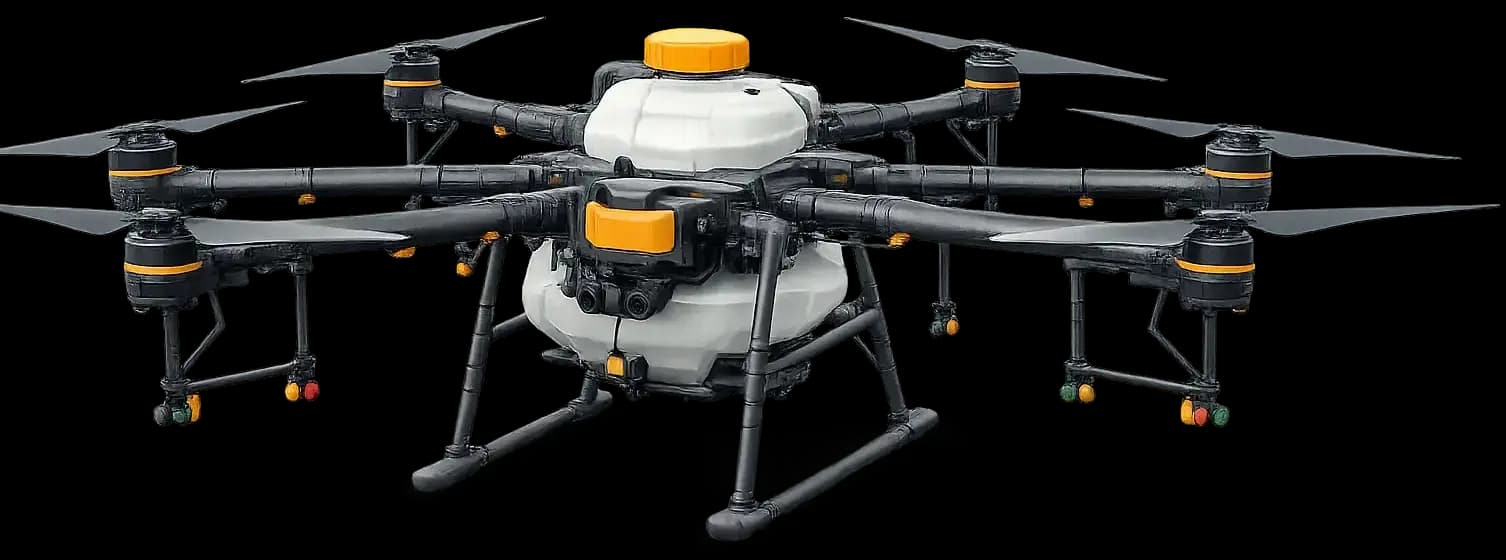
Target every row with less waste.
Variable-rate flight plans keep application consistent across uneven fields while reducing overspray and chemical drift.
Advanced autonomous machinery, precision drones, and field sensors designed for enterprise-scale operations.

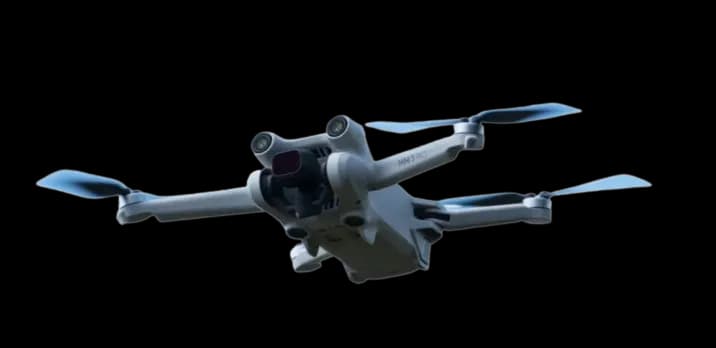
Drone advantage
Variable-rate flight plans keep application consistent across uneven fields while reducing overspray and chemical drift.
High-resolution scouting reveals stress patterns, growth gaps, and treatment zones before they become visible from the ground.
Autonomous routes help teams move faster through spraying, scouting, and follow-up passes with fewer manual resets.
Remote operation reduces exposure during treatment windows and keeps support teams connected across difficult field conditions.
Agrinova connects routes, sensing, fleet readiness, and support data so large-scale teams can plan the next mission with more confidence than the last.
Agrinova field OS

Field boundaries, refill points, and mission windows stay connected before aircraft launch.

Drone sorties, ground machinery, and service windows stay visible to the same operations team.

Aircraft, payload, and operator status in one run view.
Every mission improves treatment zones and timing.

Agronomy notes and flight records stay together for the next planting, spray, and harvest window.
Field coverage
Payload ready for demanding treatment routes
Flight windows for broad field passes
Hectares mapped by supported deployments
Quick reference for crews, agronomists, and operations leads evaluating an Agrinova program for the season ahead.
Standard onboarding takes 2–3 weeks: route survey, crew briefing, and a calibration pass. Urgent deployments inside an active region can launch in under 72 hours once airspace is cleared.
Aircraft are rated for 50 kg payloads and 45-minute treatment windows. Spray, scout, and hybrid sensor pods swap on the same airframe so route plans do not need to change.
Every mission runs through a pre-flight gate that checks permits, NOTAMs, and operator certifications. Records sync to your compliance dashboard automatically after each sortie.
Yes. Field memory exports to standard agronomy formats and connects directly to common FMIS platforms over API, so treatment zones and yield notes stay in sync.
Active deployments include 24-hour response, scheduled maintenance windows, and seasonal route reviews. A regional engineer stays assigned for the life of the contract.
Plan the routes, crew rhythm, support cadence, and field data loop that turn first flights into reliable seasonal operations.